Description
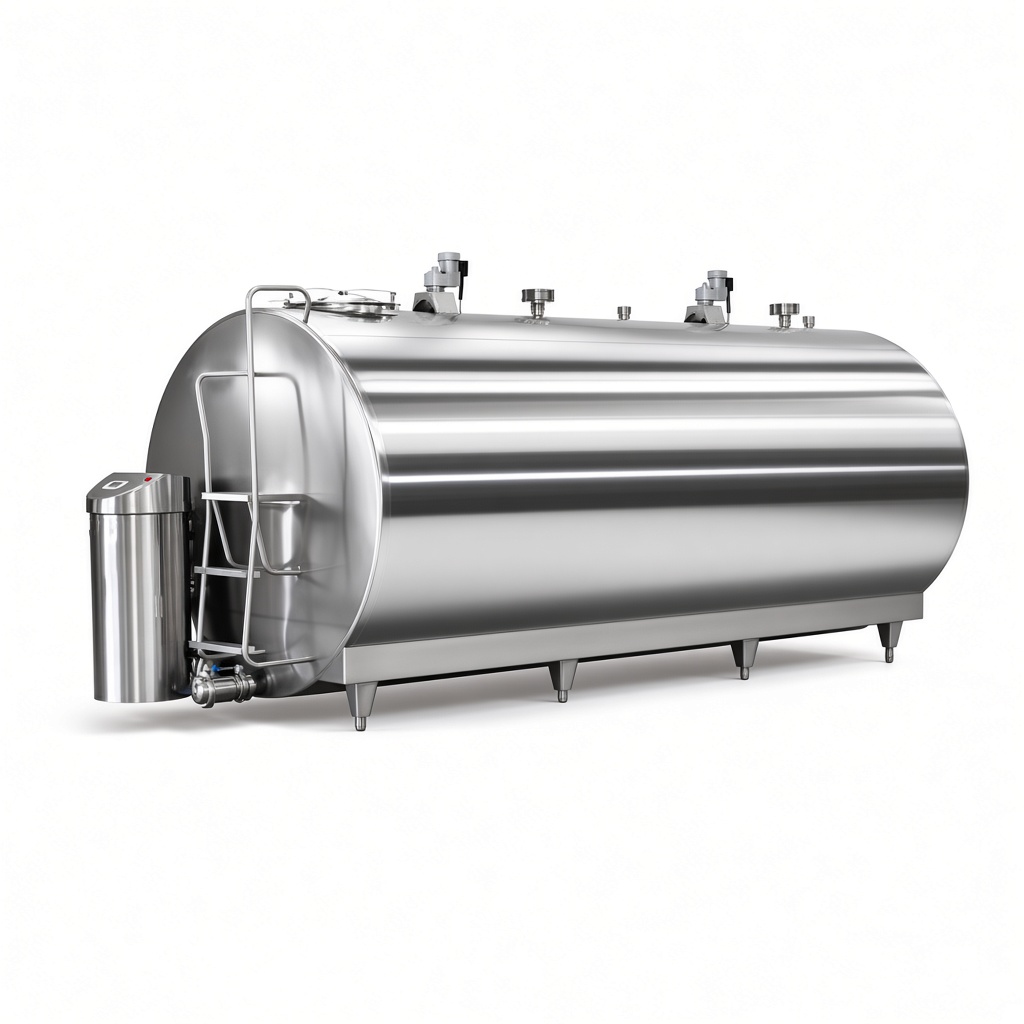
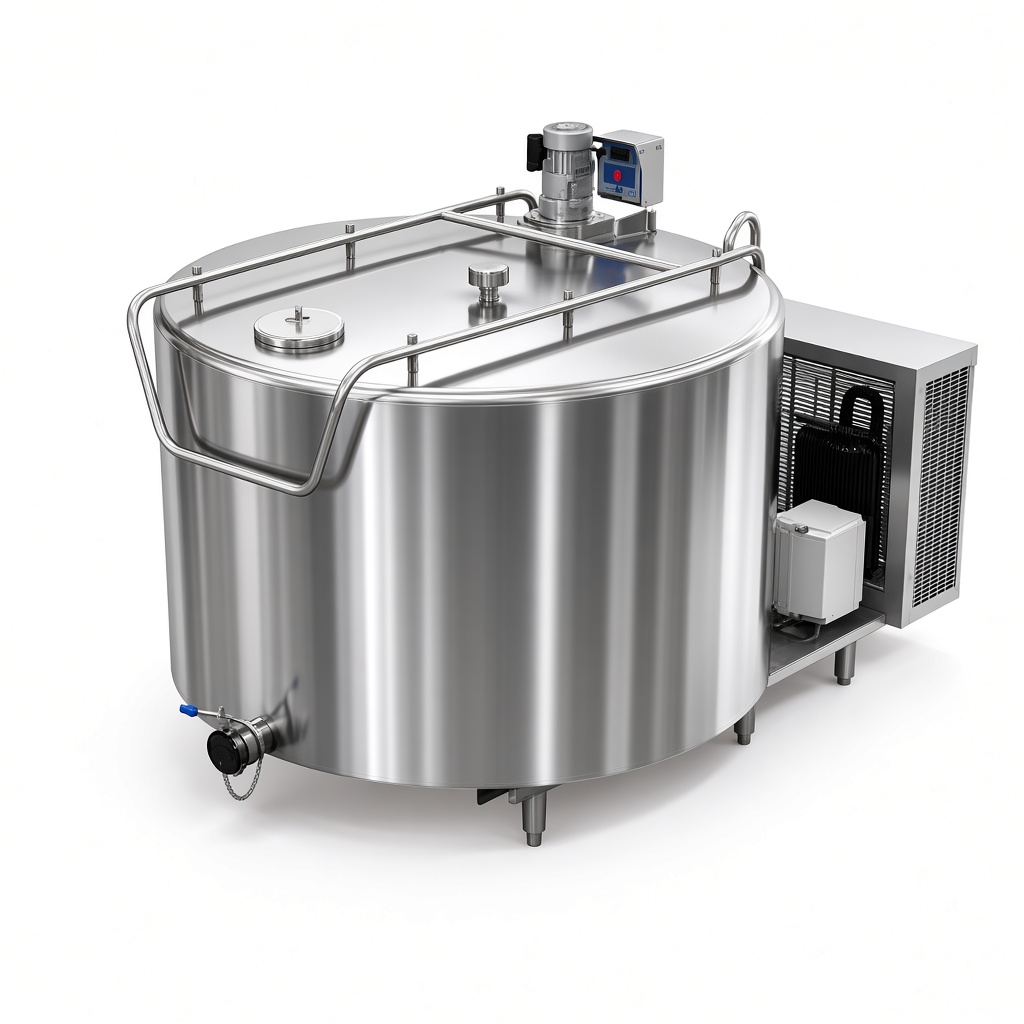
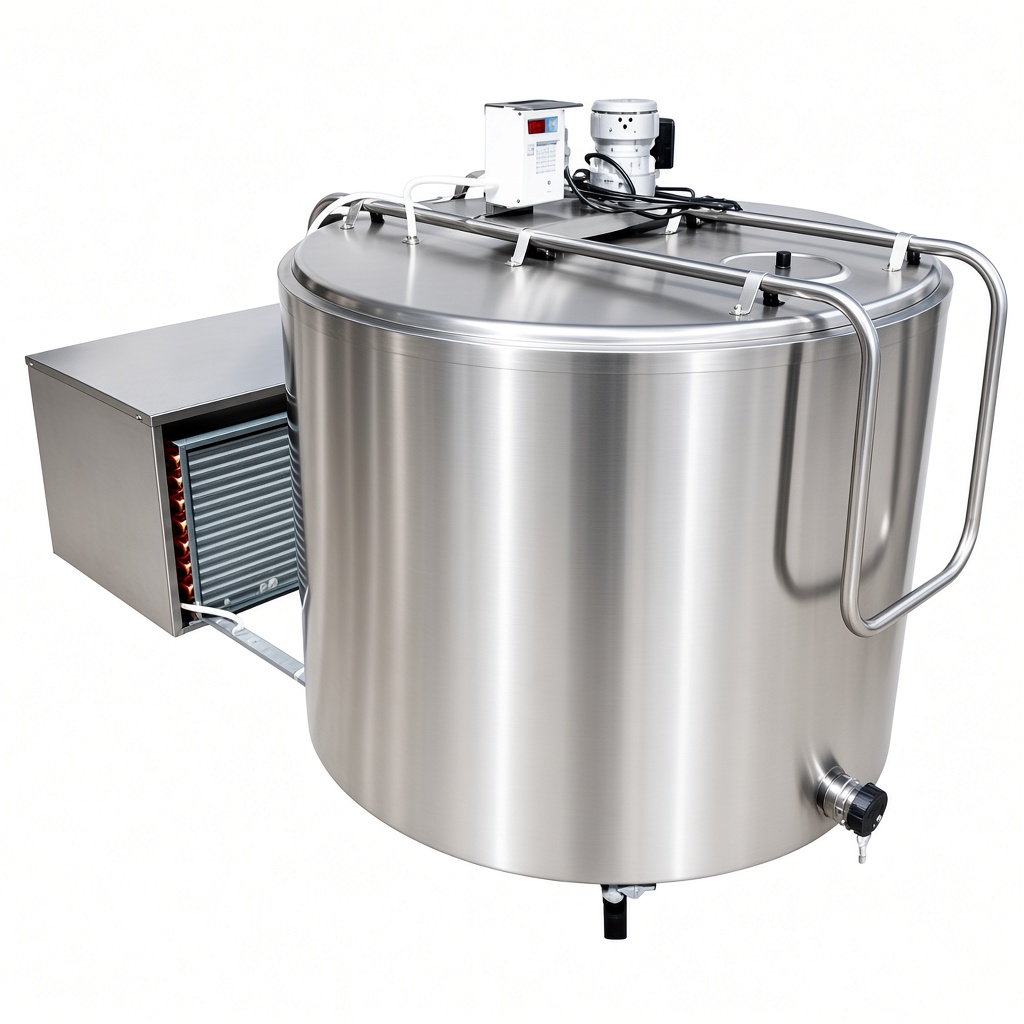
Stainless Steel Dairy Milk Storage Tanks (500 Litres to 10,000 Litres)
Quick Answer: What is a Stainless Steel Dairy Milk Storage Tank?A stainless steel dairy milk storage tank (also called a milk holding tank, bulk milk tank or dairy holding tank) is a food-grade vessel designed to store raw or processed milk hygienically while maintaining temperature. Capacities from 500 litres to 10,000 litres typically feature insulation, optional cooling jackets and agitators so milk stays at the correct temperature until it moves to pasteurisation, packaging or further processing. Raydan Stainless Steel Fabricators builds custom Stainless Steel Dairy Milk Storage Tanks from 500 litres to 10,000 litres for farms, collection centres, cooperatives and processing plants across Kenya and East Africa. Fabricated locally from food-grade AISI 304 or 316 stainless steel, these milk holding tanks meet KDB/KEBS quality expectations and carry a one-year warranty. They provide reliable, temperature-controlled storage that protects milk quality between collection and processing. |
Product Overview
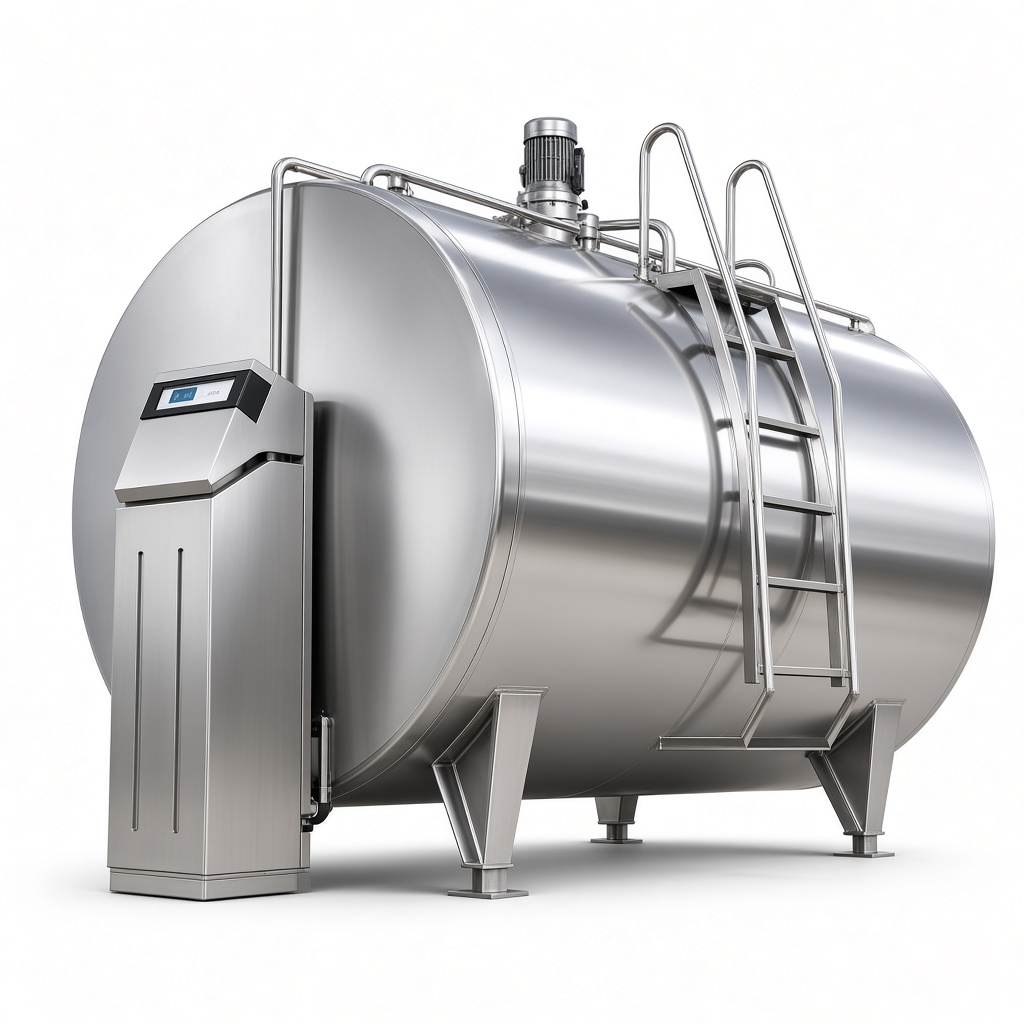 Milk is highly perishable. Once collected or cooled, it needs safe intermediate storage that prevents bacterial growth, cream separation and temperature rise. A properly designed stainless steel dairy milk storage tank solves this by combining hygienic surfaces, insulation and optional agitation or cooling.
These tanks serve as the bridge between reception or cooling equipment and the next process step. They are used daily in Kenyan dairy operations where consistent milk quality and low losses matter.
See Also: Stainless Steel Coolers and Chillers
Key Features and Benefits
- Food-grade AISI 304 or 316 stainless steel construction – non-reactive with milk, resistant to cleaning chemicals and built for long service life in dairy environments.
- Capacities from 500 L to 10,000 L (custom sizes available) – sized to match daily production or intake volumes without unnecessary oversizing.
- Double-wall design with optional polyurethane foam insulation – helps maintain cold temperatures and reduces energy demand when cooling is fitted.
- Optional cooling jacket (chilled water or glycol) – supports temperature control when milk needs to stay near 4 °C for longer periods.
- Optional agitator – keeps milk homogeneous and prevents cream from rising during storage.
- Mirror-polished internal surfaces and CIP-ready design – easier, more thorough cleaning and lower risk of milkstone or biofilm.
- Sanitary valves, manway and sample ports – allow safe access, sampling and complete drainage.
- Local fabrication, free installation where applicable, and after-sales support – shorter lead times and readily available parts compared with fully imported units.
Applications and Use Cases
- Dairy farms and large commercial herds – on-farm holding of cooled milk before tanker collection.
- Milk collection centres and cooperatives – bulk storage after reception and chilling.
- Processing plants – intermediate storage of raw or pasteurised milk before further treatment or packaging.
- Yoghurt, cheese or cream lines – holding tanks for intermediate product stages.
- Export and packaging facilities – hygienic buffer storage of high-quality milk.
Who This Product Is For
Dairy cooperatives, milk chilling plants, processing factories, commercial farms and system integrators in Kenya and neighbouring East African countries that need reliable storage capacity between 500 L and 10,000 L.
These tanks may be less suitable for very small household operations that only handle a few cans, or for sites that require fully integrated bulk milk coolers with built-in refrigeration as a single unit (those can be discussed separately).
See Also: Stainless Steel Milk Receiving Tanks & Milk Dump Tanks
How It Works 
Milk enters the tank from a cooler, reception unit or tanker. Insulation and optional jackets help maintain temperature. An optional low-speed agitator gently mixes the milk to keep it uniform. When required, the tank discharges through a sanitary bottom outlet to the next process stage. After emptying, the vessel is cleaned by CIP or manual methods ready for the next batch.
Installation, Setup and Maintenance
We offer free installation and commissioning where site conditions allow. The tank is placed on a level, drained floor with adequate clearance for manway access, valves and cleaning. Power is required only if an agitator or sensors are fitted.
Routine care involves rinsing after use, approved dairy detergents, periodic inspection of seals and valves, and scheduled CIP cycles. Local after-sales service and spare parts keep downtime low.
What to Consider Before Buying
- Match capacity to peak daily volume plus a practical buffer.
- Decide whether insulation alone is sufficient or whether a cooling jacket is needed.
- Confirm if an agitator is required to prevent cream separation.
- Check pipe connections, available floor space and access for cleaning.
- Plan for future expansion and KDB hygiene expectations.
- Confirm delivery, installation and after-sales support for your location.
Correct material grade (304 for most sites, 316 where aggressive cleaners or higher corrosion risk exist) and proper capacity planning deliver the best long-term result.
Competitive Differentiation
Raydan tanks are fabricated in Nairobi from certified stainless steel, meet KDB/KEBS quality expectations, include a one-year warranty and are supported by local parts and after-sales service. Free installation and commissioning are available where applicable. Countrywide delivery across Kenya and selected East African destinations further reduce project risk compared with purely imported equipment.
Frequently Asked Questions
- What is a dairy milk storage tank used for?
It stores raw or processed milk hygienically between collection or cooling and the next process step (pasteurisation, packaging or further treatment), while helping maintain temperature and product quality. - What capacity milk holding tank do I need?
Choose a size that covers your busiest daily volume plus a safety margin. Common ranges are 500–2,000 L for smaller centres and 3,000–10,000 L for larger plants. We size each tank after reviewing actual volumes. - Do stainless steel milk storage tanks need insulation?
Insulation is strongly recommended for most applications because it helps keep milk cold and reduces energy use when cooling is fitted. Single-wall tanks are suitable only for short-term indoor holding in controlled environments. - Is installation included?
Where site conditions allow, we provide free installation and commissioning so the tank is correctly levelled, connected and ready for use. - What material is best for a milk storage tank in Kenya?
AISI 304 stainless steel suits the majority of Kenyan dairy sites. AISI 316 is preferred where strong chlorinated cleaners or higher corrosion risk exist. Both grades are food-safe and non-reactive with milk. - Can the tank be fitted with cooling and an agitator?
Optional cooling jackets and low-speed agitators are available and specified according to your process needs. - Do you deliver outside Nairobi?
We offer countrywide delivery across Kenya and ship to selected major towns in Tanzania, Uganda, Rwanda and Burundi.
Our team is Open and Ready to Custom Build for You the Perfect Product for Your Needs
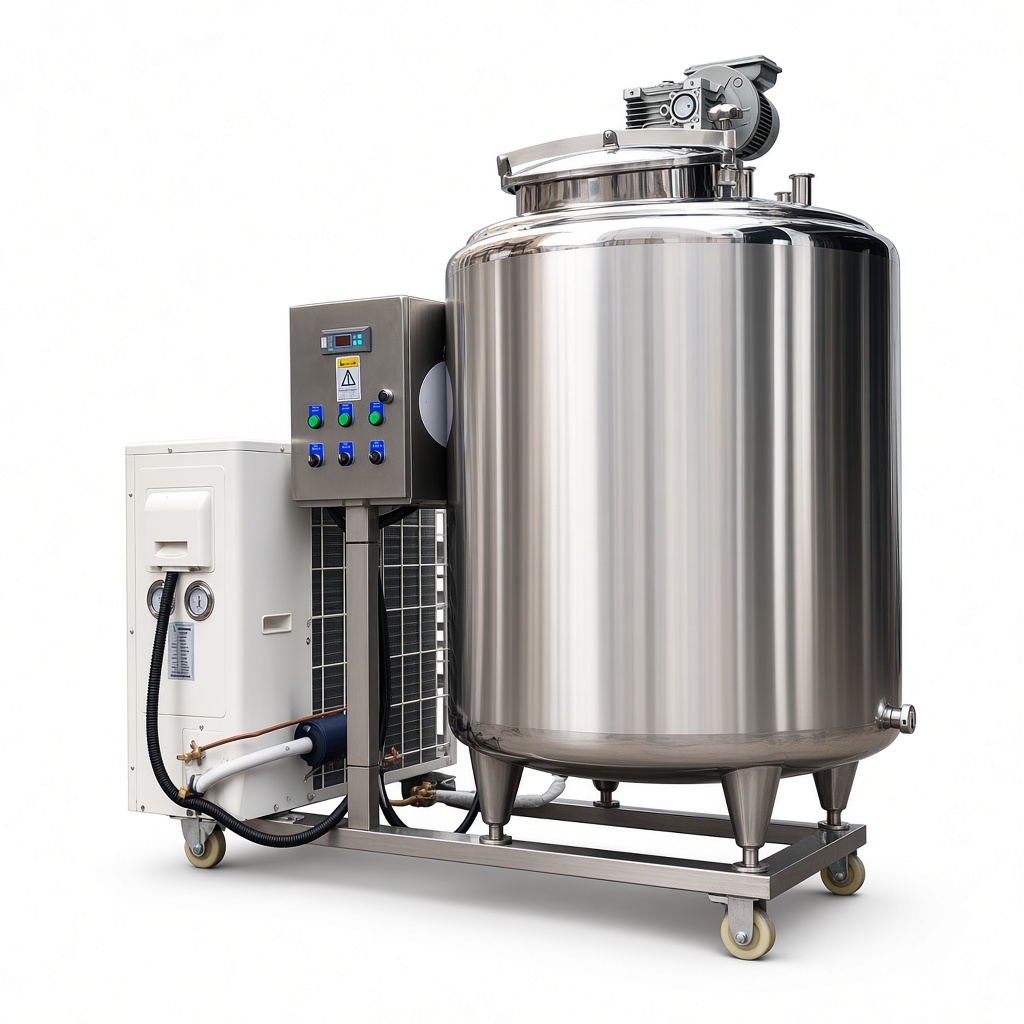 When you need a hygienic, locally supported Stainless Steel Dairy Milk Storage Tank that protects milk quality during holding, Raydan Stainless Steel Fabricators can fabricate the right capacity for your operation. Request a quotation matched to your volumes and site layout.
Get in touch with us through any of the means below:
- WhatsApp/Call us: +254 798 70 30 77
- Location: BBG Business Park, Enterprise Road, Nairobi Industrial Area (Opposite Kens Metal, Between Homabay Road and Isiolo Road)
- Working Hours: Mon–Friday: 9:00 AM – 5:00 PM | Saturdays: 9:00 AM – 2:00 PM
- Email: customercare@raydanstainlesssteelfabricators.co.ke


Reviews
There are no reviews yet.