Industrial Reverse Osmosis Machines: The 2026 Technical Guide for Pure Water in Kenya
[TL;DR / Key Takeaways]
|
Industrial Reverse Osmosis Machines: The 2026 Technical Guide for Pure Water in Kenya
Introduction: The Role of Water Purity in Kenyan Manufacturing
In the current industrial landscape of Kenya, water is more than a utility; it is a critical raw material. Whether you are operating a beverage plant in Nairobi, a dairy facility in Eldoret, or a pharmaceutical lab in Thika, the quality of your water directly impacts your product’s shelf life, taste, and safety. Relying on untreated municipal or borehole water is increasingly risky due to high levels of salinity, fluoride, and industrial runoff.
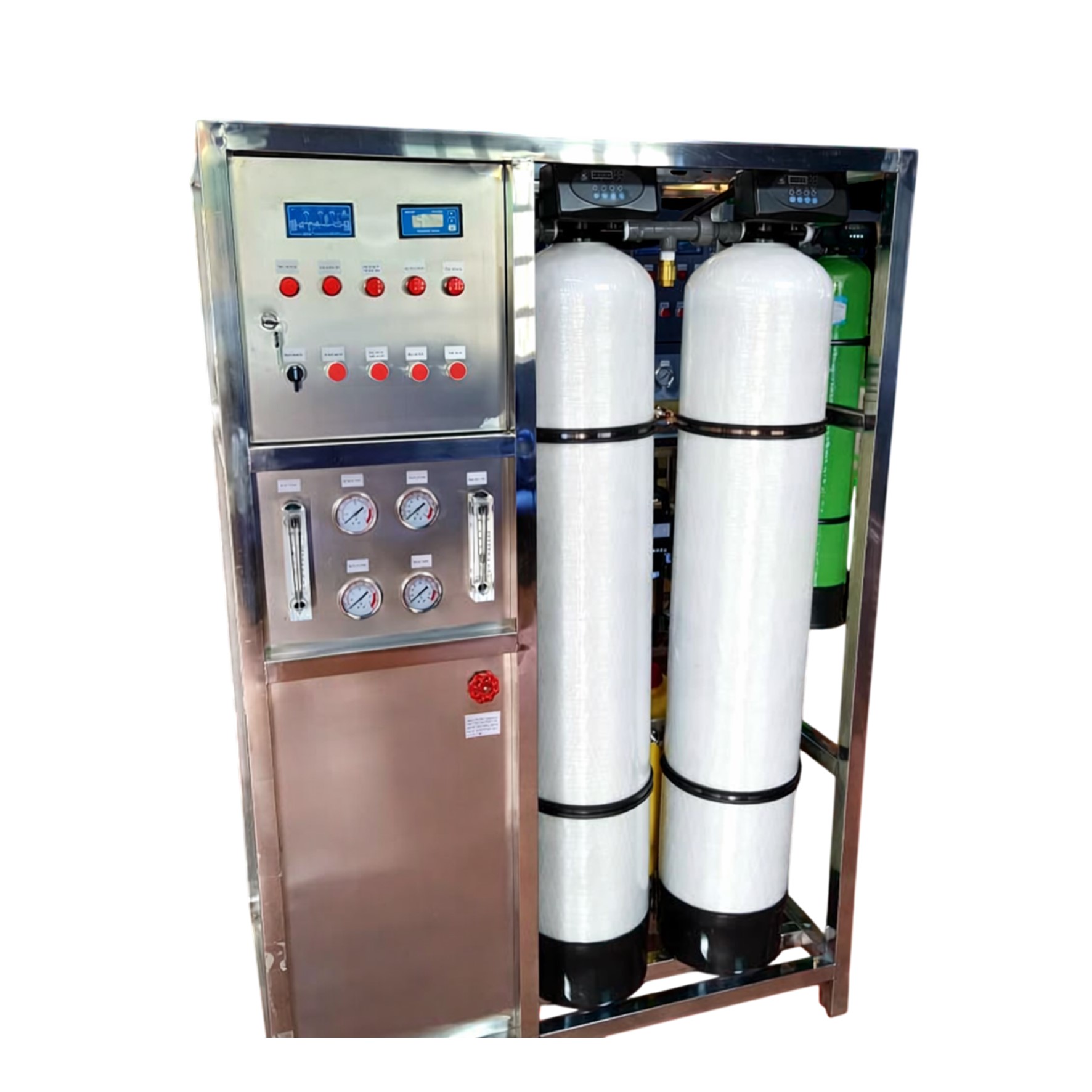
The Industrial Reverse Osmosis Machine has become the primary solution for these challenges. Unlike basic filtration, an RO system provides a consistent, high-purity output that protects expensive machinery from scale buildup and ensures compliance with international quality standards. For businesses looking to scale in 2026, investing in a robust water purification system is a strategic move to reduce downtime and guarantee batch consistency.
1. The Reverse Osmosis Process: How High-Purity Water is Produced
To understand why Reverse Osmosis is the industry standard, one must look at how it handles impurities at the molecular level. Standard filters act as physical barriers for dirt and sand, but they cannot stop dissolved minerals like salt or fluoride.
The Mechanics of the RO Membrane
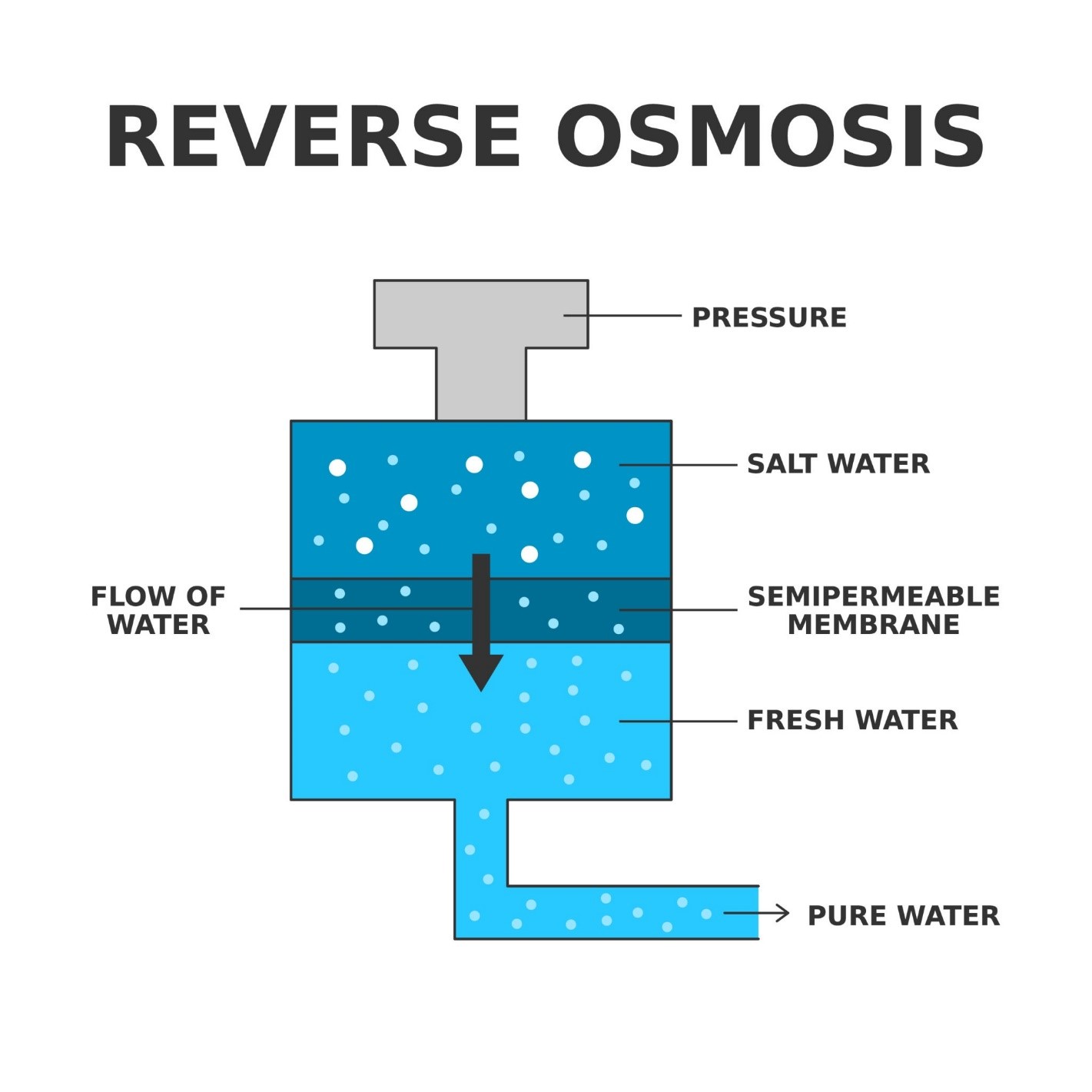
Reverse Osmosis works by applying mechanical pressure to “salty” or contaminated water, forcing it through a semi-permeable membrane. This membrane acts as a molecular gatekeeper.
Getty Images
The pores in an industrial RO membrane are approximately 0.0001 microns in size. Because water molecules are smaller than the dissolved contaminants, they pass through, while the impurities are rejected and flushed away. This process effectively removes:
- Hardness Minerals: Calcium and Magnesium that cause pipe scaling.
- Toxic Metals: Lead, Mercury, and Arsenic.
- Local Contaminants: Excessive Fluoride (common in the Rift Valley) and Nitrates from agricultural runoff.
- Biological Hazards: 99.9% of bacteria, viruses, and cysts.
2. Components of a Professional Industrial RO System
An industrial RO machine is a synchronized system of several stages. If any stage is poorly designed, the efficiency of the entire unit drops, leading to higher operational costs.
- Pre-Treatment Stage (Sediment and Carbon)
Before water reaches the membrane, it must be “conditioned.” A 5-micron sediment filter removes physical debris that could scratch the high-pressure pump. Following this, an Activated Carbon Filter removes chlorine. This is vital because chlorine can chemically degrade a stainless steel system and permanently damage RO membranes.
- Chemical Dosing (Antiscalant)
In regions with high mineral content, water is “hard.” We integrate an Antiscalant Dosing System that injects food-grade chemicals into the feed water. This prevents minerals from crystallizing on the membrane surface, which is the leading cause of system clogging in Kenya.
- The High-Pressure Pump
This is the engine of the system. It generates the force (usually between 150 and 250 PSI) needed to push water through the membrane. We use high-grade pumps designed for continuous industrial duty, ensuring they can run 24/7 without overheating.
- The RO Membrane Elements
The actual purification happens here. We utilize Thin-Film Composite (TFC) membranes. These are selected for their high “rejection rate”—meaning they catch more impurities while requiring less energy than older membrane technologies.
3. 2026 Pricing for Industrial RO Machines in Kenya
The cost of an RO system is determined by its production capacity (Liters Per Hour) and the quality of its structural frame. At Raydan, we prioritize stainless steel construction to ensure long-term durability in harsh environments.
Production Capacity (L/h) | Primary Use Case | Estimated 2026 Price (KSh) |
125 L/h | Small Cafes / Executive Offices | 180,000 – 220,000 |
250 L/h | Schools / Water Kiosks / Clinics | 280,000 – 320,000 |
500 L/h | Dairy Plants / Beverage Startups | 350,000 – 450,000 |
1,000 L/h | Commercial Bottling / Large Labs | 580,000 – 750,000 |
2,000 L/h and above | Heavy Industrial / Large Estates | 950,000 – 1,500,000+ |
Note on Configuration: “Skid-mounted” systems are built on an open frame for easy access, while “Cabinet-style” systems are fully enclosed in stainless steel. Enclosed systems are preferred in food and pharma sectors for their superior hygiene and protection of electronic controllers.
4. Regulatory Standards: Meeting KEBS and NEMA Requirements
Operating an industrial water system in Kenya requires adherence to strict legal standards. A properly calibrated RO system is the most reliable way to stay compliant.
KEBS Drinking Water Standard (KS ISO 10500:2012)
To pass a KEBS audit for bottled water or food production, your water must meet these targets:
- TDS (Total Dissolved Solids): Should ideally be below 100 mg/l for bottled water, though the legal limit is 1,000 mg/l.
- Fluoride: Must be below 1.5 mg/l. This is a major challenge for many Kenyan boreholes, and RO is the only cost-effective way to achieve it.
- Microbial Safety: Must show zero Coliforms or E.coli per 100ml.
NEMA and Environmental Impact
RO systems produce a “concentrate” or brine stream containing the rejected minerals. For large-scale installations, NEMA (National Environment Management Authority) may require a water management plan to ensure this brine is disposed of responsibly without affecting the local soil or water table.
5. The Importance of Stainless Steel Construction
In an industrial setting, the structural material of your RO machine is just as important as the filters. We build our systems using Grade 304 or 316L Stainless Steel for three specific reasons:
- Chemical and Salt Resistance: Many boreholes in Kenya are “salty.” Mild steel or low-grade plastics will corrode or become brittle under these conditions. Stainless steel remains inert and structurally sound.
- Pressure Stability: High-pressure pumps create significant vibration. A heavy-duty stainless steel frame prevents the pipework from cracking over years of service.
- Sanitary Standards: Stainless steel does not harbor bacteria. It can be cleaned with aggressive sanitizers to ensure that the water being produced remains sterile.
6. Maintenance Protocol: Protecting Your Investment
A Reverse Osmosis machine is an investment that requires disciplined maintenance. Neglecting the system can lead to the “fouling” of membranes, which are expensive to replace.
- Daily Monitoring: Record the pressure and TDS levels. A drop in flow or a rise in TDS is an early warning that the system needs attention.
- Filter Changes (Quarterly): The 5-micron pre-filters and carbon blocks are your “front-line” defense. Change them every 3 to 6 months to protect the high-pressure pump.
- Clean-In-Place (CIP): Every 6 months, the system should undergo a chemical wash. We use acidic cleaners to remove mineral scale and alkaline cleaners to remove any organic buildup.
- Membrane Life: With proper pre-filtration and regular CIP, a high-quality membrane should last 3 to 5 years.
[Expert Advice]: Never leave an RO machine stagnant. If your facility shuts down for more than 48 hours, the system should be flushed or “pickled” with a preservative solution to prevent biological growth on the membrane surface.
7. Business Value and Return on Investment (ROI)
The “cost” of an RO system should be viewed through the lens of long-term savings. For example:
- Bottled Water Savings: A company spending KSh 40,000 monthly on water dispensers will see a full ROI on a small RO system in less than 6 months.
- Equipment Protection: By removing scale, an RO system can double the lifespan of your boilers, chillers, and cooling towers, saving millions in avoided capital expenditure.
- Product Quality: For beverages and food, consistent water quality means fewer rejected batches and a stronger brand reputation in the market.
Industrial Reverse Osmosis Machines
People Also Ask (FAQ)
- How much wastewater does an RO machine produce?
Modern industrial systems from Raydan are designed for high efficiency. While older systems wasted 70% of water, our 2026 models achieve a 1:1 recovery ratio, meaning for every liter of pure water produced, only one liter is sent to drain. - Can I use RO water for sensitive lab work?
For pharmaceutical or high-precision lab work, we can add a Deionization (DI) stage after the RO process to produce “Ultra-Pure” water with near-zero conductivity. - Does the system require a full-time operator?
Our systems are fully automated with “Auto-Flush” cycles and safety shut-offs. Your staff only needs to perform basic daily checks and schedule periodic filter changes. - How do I know if my borehole water is suitable for RO?
We recommend a full water analysis first. We test for TDS, pH, Iron, and Hardness to calibrate the RO machine specifically for your water source. - Why should I choose Raydan for my RO installation?
Raydan Stainless Steel Fabricators offers local engineering expertise. We don’t just supply a machine; we provide a complete stainless steel solution including storage tanks, distribution piping, and a 1-year comprehensive warranty.
Upgrade Your Facility’s Water Standards With our RO Systems- Place Your Order Today
Don’t let poor water quality compromise your production efficiency. Get a tailored water purification solution designed for the unique challenges of the Kenyan market.
Contact Raydan Stainless Steel Fabricators Today:
- Call/WhatsApp: +254 798 70 30 77 | +254 707 307 451
- Email: customercare@raydanstainlesssteelfabricators.co.ke
- Office: Enterprise Road, Industrial Area, Nairobi.